Did you imagine some years ago that you could be sitting in your living room or a café, sipping coffee while receiving medical care through your phone? This is now an everyday reality thanks to the rise of virtual doctor and medical assistant jobs.
In recent years, the healthcare sector has made a significant leap toward a hybrid model that combines in-person visits with telemedicine, driven by big data and AI growth. This shift has not only streamlined the work of healthcare professionals but also made medical services more accessible to patients.
This transformation has led to new job opportunities, including virtual medical assistants. These professionals are reshaping the healthcare industry by providing administrative and clinical support from anywhere, enabling patients to access efficient, high-quality services regardless of location.
Here’s everything you need to know about becoming a Medical Virtual Assistant (MVA) and what to expect from this growing career path.
What is a Virtual Medical Assistant?
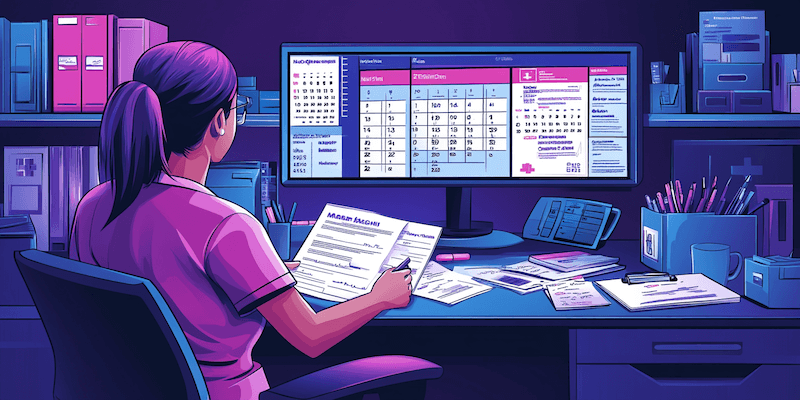
What does a virtual medical assistant do? They manage essential administrative tasks, ensuring healthcare providers can focus on patient care, typically from a home office.
While they are not licensed healthcare providers and cannot diagnose, prescribe, or treat patients, MVAs are vital in supporting healthcare professionals by handling a wide range of administrative tasks, which helps streamline operations and enhance patient care.
- Scheduling and managing records: MVAs schedule patient appointments, manage electronic health records (EHRs), and follow up on patient care, reducing the administrative burden on physicians and enabling better care coordination.
- Administrative duties: Include processing insurance claims, managing patient billing, and supporting telehealth services. MVAs’ expertise in these areas helps healthcare practices save time and money.
- Processing insurance claims: MVAs handle insurance claims by verifying patient information, submitting claims, and following up on claim statuses, ensuring accurate and timely reimbursements for healthcare providers.
- Email correspondence: They handle email communication, ensuring timely responses to patient inquiries and efficient coordination with other healthcare providers.
- Social media management: MVAs can manage and post on platforms like Facebook, Twitter, and Instagram, helping healthcare practices maintain an online presence and engage with patients.
- Telemedicine support: With the increasing adoption of telehealth, MVAs assist in remote patient monitoring and communication, ensuring patients receive timely follow-ups and necessary care without needing in-person visits.
MVAs must have a strong understanding of the healthcare industry, practical communication skills to interact with medical professionals and patients, and familiarity with medical office procedures.
Those interested in becoming a virtual medical assistant should ideally have previous experience working in a medical office or a customer service-related field.
Types of Healthcare Practices Hiring VAs
Who hires medical assistants? From general practices to specialized clinics, a wide range of healthcare providers seek out MVAs for remote support. Many healthcare sectors hire MVAs to streamline their operations:
- Family medicine and general practices: These facilities often need assistance with scheduling, patient communications, and follow-up care.
- Specialist clinics: Mental health, radiology, and urgent care clinics are among the practices that frequently hire MVAs. They benefit from having remote support to manage administrative tasks without overburdening in-house staff.
- Dental and chiropractic offices: MVAs can help these practices with insurance verifications, patient scheduling, and other essential tasks that keep the office running smoothly.
How Much Do Medical Assistants Make a Month?
The earning potential for MVAs varies depending on their experience, skill set, and the type of client they work with. Here’s a breakdown of what to expect:
- Typical earnings: Healthcare VAs can earn between $15 and $30 per hour. Experienced VAs with specialized medical billing or coding skills may earn even more.
- Cost of training: Unlike traditional medical assistant roles, becoming a MVA requires a lower financial investment. Training programs for MVAs are often more affordable and can be completed online. Certifications in areas like medical billing, coding, and HIPAA compliance can further boost earning potential.
- Factors influencing salary: Experience, specific skills, and the ability to handle billing or patient communications tasks can make an MVA more desirable, leading to higher pay.

Skills Needed to Become a Successful Healthcare VA
To thrive as a medical VA, specific skills are essential:
- Communication Skills: Strong communication skills, both written and verbal, are a must. MVAs must effectively convey information to patients and healthcare providers.
- Administrative abilities: Managing schedules, handling paperwork, and processing insurance claims require excellent organizational skills.
- Medical knowledge: Understanding medical terminology, billing, and coding can set an MVA apart. Additionally, familiarity with healthcare software, like EHR systems, is crucial.
- English proficiency: Since many MVAs work with U.S.-based clients, a high level of English proficiency is necessary for effective communication.
Training and Certification Requirements
To succeed as a Medical Virtual Assistant (MVA), specific training and certifications can enhance both skills and career opportunities, making MVAs more appealing to potential employers in the healthcare industry.
Basic skills
MVAs must be able to organize schedules, manage patient records, and handle sensitive information with accuracy and discretion. Excellent written and verbal communication skills are also crucial, as MVAs regularly interact with healthcare providers and patients.
Additionally, proficiency in English is a must, especially for those serving U.S.-based healthcare clients, as it ensures clear and effective communication.
Specialized training
- HIPAA Compliance: Familiarity with the Health Insurance Portability and Accountability Act (HIPAA) is vital, as MVAs often handle patient information that must remain confidential. Understanding HIPAA guidelines ensures that MVAs maintain compliance with federal regulations, which builds trust with healthcare providers.
- Medical Billing and Coding: Proficiency in medical billing and coding is highly desirable, as these skills are in demand across healthcare practices. By learning to navigate insurance codes and billing procedures, MVAs can assist with claim submissions, payment follow-ups, and ensuring accuracy in patient financial records. Certifications in coding (e.g., CPT, ICD-10) can also increase earning potential.
- Electronic Health Records (EHR) Systems: MVAs must be comfortable with healthcare technology, especially EHR systems like Epic, Cerner, and Practice Fusion. Familiarity with these platforms allows MVAs to manage patient records, update information, and maintain efficient workflows without disrupting a healthcare provider’s practice.
Where to find training
For those interested in gaining specialized knowledge, various online platforms offer relevant courses for aspiring MVAs:
- Coursera and Udemy: These platforms provide flexible courses covering healthcare administration, HIPAA compliance, and medical billing. Many courses are self-paced, allowing students to balance training with other commitments.
- AAPC and AHIMA: The American Academy of Professional Coders (AAPC) and the American Health Information Management Association (AHIMA) offer comprehensive training and certification programs specifically in medical billing and coding. These certifications are widely recognized and highly valued by healthcare employers.
Note: While certification is beneficial, there are also non-certified medical assistant jobs focusing on administrative duties like scheduling and data entry, which can be an entry point into the field.
HIPAA compliance and why is important for MVAs
For MVAs working in healthcare, understanding and adhering to HIPAA (Health Insurance Portability and Accountability Act) regulations is crucial. HIPAA ensures the confidentiality and security of patient information, a responsibility that extends to virtual assistants who handle sensitive medical data.
The Health Insurance Portability and Accountability Act (HIPAA) is a U.S. federal law enacted in 1996. It primarily aims to:
- Protect health information privacy: HIPAA sets standards for safeguarding sensitive patient health information, ensuring that it remains confidential and secure. It restricts who can access or share patient data without explicit consent from the patient.
- Improve healthcare portability: The law also ensures that people can maintain their health insurance coverage when they change or lose their jobs, which helps prevent interruptions in care.
- Enhance healthcare administration: HIPAA introduced rules to streamline healthcare transactions, making processes like billing and electronic record-keeping more efficient by setting uniform standards.
Overall, HIPAA compliance is essential for any entity that deals with protected health information (PHI), including hospitals, insurance companies, and even virtual assistants who may handle sensitive medical data. Violations of HIPAA can result in severe legal and financial penalties.
By becoming HIPAA-compliant, MVAs can demonstrate their commitment to maintaining patient privacy and data integrity, building trust with healthcare providers.
Certification in HIPAA compliance enhances an MVA’s skill set and makes them more attractive to employers who prioritize legal and ethical standards in patient care.
Remote Work Opportunities Becoming a VA
The healthcare sector is increasingly flexible, enabling roles like MVAs to work effectively from anywhere. So, can medical assistants work from home? Many medical assistants transition to virtual roles to provide remote administrative support.
Becoming a virtual assistant in the medical field can be a game-changer for your career. It offers the flexibility of remote work while giving you the chance to take on tasks that are crucial to the healthcare industry. Here are the top benefits of being a medical virtual assistant:
Flexible work schedule
Virtual medical assistants (MVAs) can often set their own hours, making it easier to balance work and personal commitments. This flexibility promotes a better work-life balance, which is especially valuable for professionals working across different time zones or regions.
Remote work oportunities
Unlike traditional medical assistants who work in clinics or hospitals, MVAs can perform their tasks from anywhere. This flexibility allows individuals from various regions, including Latin America, to collaborate with U.S.-based clients, opening up more job opportunities and breaking down geographical barriers.
Diverse and dynamic work
MVAs take on a wide range of responsibilities, from billing and coding to managing electronic health records, processing insurance claims, scheduling appointments, and even supporting telemedicine services. This variety ensures that no two days are the same, making the role engaging and dynamic for those who enjoy diverse tasks.
Contribution to improved patient care
By handling essential administrative tasks, MVAs allow healthcare professionals to focus more on patient care. Responsibilities like scheduling appointments, organizing patient records, processing insurance claims, and managing communication are efficiently managed by MVAs, streamlining operations and enhancing the overall patient experience.
Scalability and adaptability
MVAs can adjust their workload to match the changing needs of a healthcare practice. Whether managing an influx of patients during busy periods or scaling back during quieter times, they offer flexibility that full-time employees may not. This adaptability allows practices to maintain high service levels without the risk of overstaffing or under-resourcing
Specialized support services and technological expertise
Healthcare virtual assistants bring specialized skills that extend beyond typical administrative tasks. They can manage telehealth platforms, support crisis response plans, and handle sensitive information with professionalism. With expertise in healthcare technology, including electronic health records and telemedicine tools, MVAs ensure smooth digital transitions and efficient operations.
How to Find Virtual Medical Assistant Jobs
If you’ve decided to become an MVA, it’s time to find an opportunity that aligns with your interests. There are numerous ways to find job opportunities as a MVA:
- Online job boards: Platforms like Upwork and LinkedIn allow MVAs to connect with healthcare providers seeking remote assistance.
- Specialized VA agencies: Agencies like Virtual Latinos, which are dedicated to connecting VAs with clients, can be valuable resources. These platforms often manage the vetting process, making it easier to find reputable clients.
- Networking and referrals: Building a strong professional network within the healthcare industry can open doors to job opportunities. Additionally, joining online communities and forums can offer leads and valuable insights.
Final Thoughts
With the right skills, certifications, and a commitment to delivering excellent service, MVAs can enjoy a fulfilling career that merges personal and professional growth. As the demand for remote healthcare support continues to grow, so do the opportunities for talented and driven individuals.
If you’re ready to take control of your career and make a difference in the healthcare industry, now is the perfect time to start your journey as a Medical Virtual Assistant. At Virtual Latinos, we connect Latin American professionals with U.S.-based clients, providing training, ongoing support, and a community of like-minded individuals.
Take the first step towards a flexible and rewarding career. Join Virtual Latinos today and discover job opportunities to help you unlock your full potential!