
Tired of the 9-to-5 grind? Imagine swapping the office cubicle for your favorite coffee shop or the comfort of your home. Virtual bookkeeping offers you more than just a job—it’s a gateway to flexibility, financial independence, and a career you can truly call your own.
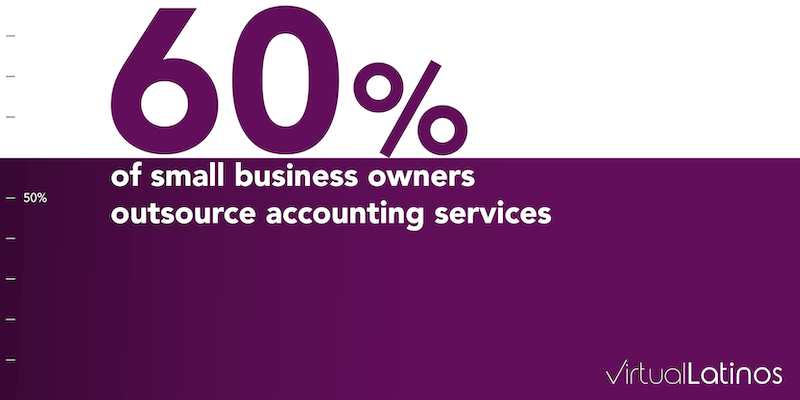
And here’s the kicker: 60% of small business owners admit they don’t know enough about accounting and end up outsourcing those services.
This means there’s a massive demand for virtual bookkeepers—skilled professionals who can step in to bridge the gap and provide much-needed support to accounting firms and independent accountants.
In this guide, you’ll learn how to turn your knack for organization into a thriving own business. Ready to take the leap? Let’s dive in!
What is Virtual Bookkeeping?
Virtual bookkeeping involves recording, organizing, and managing financial data for businesses remotely. By using cloud-based accounting software like QuickBooks Online or Xero, virtual bookkeepers provide essential services such as financial statements preparation, ensuring businesses stay compliant and make informed decisions.
This career offers flexibility and allows professionals to work with businesses of all sizes, from startups to established corporations. By outsourcing virtual bookkeeping services, companies save time and focus on core business activities while ensuring their financial health is in capable hands.
What does an accountant do?
Accountants focus on a broader spectrum of financial responsibilities beyond bookkeeping tasks. Their role often includes:
- Preparing and filing tax returns while ensuring compliance with laws.
- Offering strategic financial planning and advisory services.
- Analyzing and interpreting financial statements for forecasting and budgeting.
- Ensuring the accuracy of financial documents and systems by conducting audits.
Accountants typically require advanced education, such as a bachelor’s degree in accounting or related fields, and certifications like CPA (Certified Public Accountant). While accountants use data from bookkeepers, they focus more on the interpretation and application of financial information to drive strategic decisions.
What does a bookkeeper do?
A bookkeeper’s primary responsibility is to maintain accurate accounts receivable and accounts payable for businesses. Their tasks include:
- Recording daily financial transactions like sales, expenses, and payroll.
- Managing accounts receivable and accounts payable.
- Reconciling bank statements with the general ledger.
- Preparing financial statements like profit and loss statements or balance sheets.
Bookkeepers are the foundation of accurate accounting processes, ensuring data is well-organized for accountants to analyze. With the rise of virtual bookkeeping, professionals can now perform these duties remotely, providing businesses with cost-effective and efficient financial management.
Key Responsibilities and Skills for Virtual Bookkeepers
Virtual bookkeepers are indispensable in ensuring a business’s financial organization and accuracy. They manage vital financial tasks while leveraging advanced tools and maintaining professional integrity. Their key responsibilities and skills include:
Key responsibilities
- Accurate data entry: Recording daily financial transactions, such as sales and expenses, while ensuring compliance with accounting standards.
- Utilizing accounting software: Mastery of tools to prepare financial statements, generate financial reports, and manage accounts effectively.
- Reconciling accounts: Matching transactions with bank statements and the general ledger to ensure data accuracy and integrity.
- Client assistance: Simplifying financial data for clients, guiding them in understanding their business’s financial health, and maintaining compliance with tax regulations.
Key skills required
Attention to detail:
- A meticulous approach is vital to eliminate errors in financial records.
- Ensures precision in reconciling accounts and preparing trial balances.
Proficiency in accounting tools:
- Expertise in widely-used platforms like QuickBooks Online and Xero for efficient financial management.
- These tools allow real-time tracking and analysis of financial activities.
Understanding of bookkeeping principles:
- Solid grasp of concepts like double-entry bookkeeping, the chart of accounts, and the general ledger.
- Essential for maintaining balanced and compliant financial records.
Time management and organization:
- Balancing tasks across multiple clients requires structured workflows and proactive scheduling.
- Tools like Asana or Trello help track priorities and deadlines efficiently.
Communication skills:
- Clear, concise communication helps virtual bookkeepers explain complex financial concepts to clients who may not have a finance background.
- Regular updates foster trust and maintain transparency in remote settings.
Ethics and confidentiality:
- Handling sensitive client data requires adhering to strict confidentiality and professional standards.
- Maintaining compliance with regulations safeguards both the business and the bookkeeper.
Now that you understand the main responsabilites and skills of this role, let’s explore the essential steps to becoming a virtual bookkeeper and setting yourself up for success.

Steps to Become a Virtual Bookkeeper
Whether you’re starting from scratch or looking to refine your skills, these actionable steps will guide you toward building a successful career in this thriving field. Let’s break it down step by step!
1. Learn the basics of bookkeeping: Begin your journey with online courses or certifications that teach accounting principles and software usage. Popular programs include QuickBooks Online Certification, Bookkeeper Launch, and Universal Accounting.
2. Gain experience with accounting software: Practical experience with tools like QuickBooks, Xero, or Sage sets you apart. These tools simplify the management of financial statement analysis, tax preparation, and financial records.
3. Build your own virtual bookkeeping business
- Draft a business plan with goals, services, and a marketing strategy.
- Register your business, secure licenses, and set up systems for virtual bookkeeping services.
- Create a professional online presence to attract clients.
To bring all these steps together smoothly, you can rely on business plan software to keep everything organized.
Starting and Growing Your Virtual Bookkeeping Business
Starting and growing your own bookkeeping business requires a combination of smart marketing, efficient client management, and the right bookkeeping software. Let’s dive into the key strategies to help your business thrive!
Marketing your services
To gain clients, focus on digital marketing strategies:
- Build a website showcasing your bookkeeping services.
- Use platforms like LinkedIn, Virtual Latinos, and freelance marketplaces to find remote bookkeeping jobs.
- Invest in email campaigns and social media ads targeting small business owners.
Managing clients effectively
Efficient communication and management are essential:
- Use tools like Asana or Trello to organize client tasks.
- Set clear expectations with contracts covering the scope of work and payment terms.
- Regularly update clients with financial reports and progress updates.
Accounting software for virtual bookkeepers
Virtual bookkeepers rely on accounting tools to streamline workflows:
- QuickBooks Online: Ideal for small to medium-sized businesses, offering invoicing, expense tracking, and payroll.
- Xero: A cloud-based solution for collaborative financial management.
- Wave: Free software perfect for startups and sole proprietors.
Training in these tools is widely available, with QuickBooks offering free certifications through its QuickBooks Online Accountant program.
Where to Find Virtual Bookkeeping Jobs
Start by joining reputable platforms like Virtual Latinos. They connect skilled Latin American professionals with U.S. businesses seeking virtual bookkeeping jobs. Other resources include Fiverr, and LinkedIn.
Tips for Success:
- Create a professional website or portfolio.
- Use social media to market your services and join relevant groups.
- Specialize in a niche market to stand out.
- Network through virtual events and industry webinars.

Embarking on Your Journey
Becoming a virtual bookkeeper offers limitless potential for those seeking a flexible, rewarding career. By building a strong foundation in bookkeeping and leveraging the right tools, you can establish your own bookkeeping business and thrive in this growing industry.
Join Virtual Latinos now to access training, community support, and connections to remote opportunities. Whether you’re starting or scaling your career, Virtual Latinos offers the resources to succeed.