Have you ever felt that you are so fatigued that you struggle to cope with even minor tasks at work? Well, let’s talk about burnout and how to deal with it.
Burnout is a condition of complete physical, emotional, and mental depletion resulting from prolonged and intense stress. It manifests when the pressure becomes too much to handle, leaving you feeling overwhelmed and emotionally exhausted.
Over time, this constant strain erodes your initial passion and motivation for your work. As burnout takes hold, it diminishes your productivity and drains your energy, leading to feelings of helplessness, hopelessness, cynicism, and resentment.
Ultimately, you might reach a point where you feel utterly depleted, as if you have nothing left to offer. Keep reading to find out why this happens and how to beat it.
Why Does Burnout Happen? – Key Causes
Christina Maslach & Michael P. Leiter, psychology professors, state that “When the workplace does not recognize the human side of work, and there are major mismatches between the nature of the job and the nature of people, there will be a greater risk of burnout.” This fact underscores the critical role of organizational culture in mitigating burnout.
Burnout can have widespread effects, often:
– Decreasing work performance
– Preventing you from enjoying hobbies, family time, or relaxing outside of work
– Raising the risk of health issues, including cardiovascular diseases, type 2 diabetes, depression, and even suicide.
For that reason, recognizing the causes and dealing with them is crucial.
Burnout stems from various factors, often linked to work, lifestyle, and personality. Here are some common causes:
Work-Related Causes
- Too Much Work: Handling excessive tasks in limited time without enough help or resources.
- No Control: Feeling powerless to influence job-related decisions, like your schedule or workload.
- Lack of Recognition: Not receiving enough appreciation, whether through pay, praise, or job satisfaction.
- Unclear Expectations: Uncertainty about your job role or facing conflicting demands.
- Toxic Workplace: Dealing with office politics, bullying, or a negative work environment.
- Isolation: Feeling alone at work or in personal life, lacking supportive relationships.
- Poor Work-Life Balance: Spending too much time on work, leaving little energy for other aspects of life.
Lifestyle Causes
- Insufficient Sleep: Not getting enough rest can lead to exhaustion.
- Neglecting Health: Poor diet and lack of exercise affect energy levels and resilience.
- Social Isolation: Not having meaningful interactions and support outside of work.
Personality Traits
- Perfectionism: Setting unrealistic expectations can lead to constant dissatisfaction and stress.
- Negative Outlook: Focusing on negatives can increase feelings of hopelessness.
- High Achievers: Being overly driven and self-critical makes burnout more likely.
Other Contributing Factors for Burnout
- Chronic Stress: Ongoing stress without effective coping mechanisms leads to burnout.
- Emotional Strain: Jobs requiring constant emotional effort, like caregiving, are particularly draining.
- Role Conflicts: Juggling conflicting demands from work and family adds stress.
Burnout indicates a problematic interaction between individuals and their work environment. Similar to interpersonal relationship issues, these problems typically stem from a poor fit between the person and the job, rather than solely from personal flaws or toxic workplaces.
Therefore, addressing burnout involves paying attention to both the individual and the organization to restore harmony between them.

9 Proven Strategies to Manage Burnout
As we could understand from Christina Maslach & Michael P. Leiter, psychology professors, overcoming burnout isn’t just about cutting down on the negatives. Sometimes, you can’t change the challenging aspects of your job.
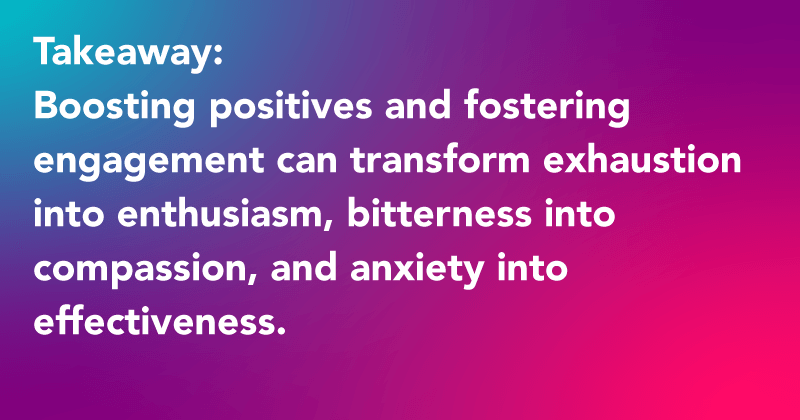
Instead, focus on boosting the positives and fostering engagement. By doing this, you can transform exhaustion into enthusiasm, bitterness into compassion, and anxiety into effectiveness. But how can anyone dramatically transform the negative aspects of their job?
In HelpGuide.org, we can find that Managing burnout involves the “Three R” approach,
- Recognize: Identify the warning signs of burnout.
- Reverse: Counteract the effects by seeking support and managing stress.
- Resilience: Strengthen your ability to cope with stress by prioritizing your physical and emotional well-being.
To manage burnout effectively, consider the following 9 strategies.
- Take a panoramic view of your situation.
- Recognize the Signs
- Seek Support
- Professional Help
- Reevaluate Priorities
- Nourish Creativity
- Physical Activity and Healthy Habits
- Set Limits and Delegate
- Refocus and Find Balance
Let’s dive deeper into each step!
#1. Take a Panoramic View of Your Situation
Start by stepping back and looking at the big picture of your work and life. Identify what aspects of your job are causing stress and what parts you still enjoy. This holistic view helps you pinpoint specific areas that need change.
Reflect on how your job aligns with your values and long-term goals. Understanding this can reveal whether the root of your burnout lies in mismatched expectations or in an unsupportive environment.
Next, assess how your work affects other areas of your life. Consider how your job impacts your relationships, health, and overall happiness. Recognize patterns that contribute to your burnout, such as overcommitment or lack of boundaries.
By seeing the whole landscape of your situation, you can make more informed decisions about what changes will have the most significant positive impact on your well-being.
#2. Recognize the Signs
Identifying burnout early can make a big difference. Pay attention to persistent feelings of fatigue, cynicism, and detachment from work. Notice if your productivity drops or if you struggle with concentration. Physical symptoms like headaches or stomach issues can also be indicators.
Choosing Therapy states in one of its articles that “Burnout is typically diagnosed based on a combination of reported symptoms and their impact on daily life and functioning.”
Recognizing these signs allows you to address burnout before it worsens, enabling you to take proactive steps towards recovery and well-being. Take a look at the 3 most common signs of burnout.
Exhaustion
One of the earliest signs of burnout is constant exhaustion. This goes beyond feeling tired after a long day; it’s a pervasive sense of fatigue that doesn’t go away with rest. You might feel physically drained, emotionally depleted, and mentally worn out. Pay attention to this exhaustion as it can affect your overall performance and well-being.
Detachment
Another key sign is a sense of detachment from your work. You may start to feel disconnected from your job, colleagues, or even your personal achievements. This can manifest as cynicism, a lack of enthusiasm, or a feeling of isolation. Recognizing this detachment early can help you address it before it leads to more severe burnout symptoms.
Reduced Performance
Burnout often leads to a noticeable decline in your work performance. You might find it hard to concentrate, make decisions, or complete tasks efficiently. This reduced productivity can be frustrating and may contribute to feelings of inadequacy. Acknowledging these signs can motivate you to seek solutions and regain your effectiveness at work.
#3. Seek Support
Building a support network is crucial in managing burnout. Reach out to friends, family, and colleagues who can offer a listening ear and practical advice. Sharing your experiences and feelings can lighten the emotional load and provide new perspectives on your situation.
You don’t have to face burnout alone; support from others can make a significant difference. Engage with supportive communities, either in person or online, where you can share your challenges and find encouragement.
Sometimes, just knowing others are facing similar issues can be comforting and empowering. By connecting with others, you can exchange coping strategies and feel less isolated in your journey towards overcoming burnout.
#4. Professional Help
Seeking professional help is a vital step in managing burnout effectively. Therapists and counselors specialize in work-related stress and can provide personalized strategies to cope with your unique situation.
They help you identify underlying issues contributing to burnout and develop practical solutions to address them. Professional guidance offers a safe space to explore your feelings and find constructive ways to manage stress.
Additionally, coaches and career advisors can assist in realigning your career goals and improving your work-life balance.
Also, they offer valuable insights into making meaningful changes in your professional life, ensuring that your job aligns better with your values and aspirations. Reaching out for professional help is a proactive approach to reclaiming control and fostering long-term well-being.
#5. Reevaluate Priorities
Taking a step back to reassess your priorities can be a powerful way to manage burnout. Start by identifying what truly matters to you in both your personal and professional life. Reflect on your goals and values, and consider if your current activities align with them.
By focusing on what is most important, you can allocate your energy more effectively and reduce feelings of being overwhelmed.
Next, create a plan to realign your daily activities with your revised priorities. This might involve setting new boundaries at work, delegating tasks, or saying no to additional responsibilities that don’t serve your core values. Regularly revisiting and adjusting your priorities ensures that you stay on track and maintain a healthy balance.
#6. Nourish Creativity
Engaging in creative activities can be a powerful antidote to burnout. Allow yourself time to explore hobbies and interests that stimulate your imagination and provide a mental escape from work-related stress.
Whether it’s painting, writing, playing music, or any other creative pursuit, these activities can rejuvenate your mind and bring a sense of fulfillment. Prioritizing creativity helps you rediscover joy and passion, counteracting feelings of exhaustion and disengagement.
Incorporate creativity into your daily routine by setting aside dedicated time for these activities. Even a short break to engage in something creative can have a significant impact on your mood and energy levels.
Encouraging creativity at work, such as brainstorming sessions or collaborative projects, can also foster a more engaging and dynamic work environment. By nurturing your creative side, you build resilience against burnout and enhance your overall well-being.
Dr Paula Redmond wrote in one of her articles related to burnout: “If you can do something creative every day, no matter how small, you will soon start to notice the benefits”. So, you can try to polish your creative side!
#7. Physical Activity and Healthy Habits
Incorporating physical activity into your daily routine is essential for managing burnout. Exercise not only boosts your physical health but also enhances your mood and reduces stress. Aim for at least 30 minutes of moderate activity most days, whether it’s walking, jogging, yoga, or dancing.
Regular exercise releases endorphins, which help combat feelings of fatigue and improve overall well-being. FitSW states that exercise helps you tackle burnout by alleviating stress and increasing energy and concentration.
Alongside physical activity, adopting healthy habits is crucial. Prioritize a balanced diet rich in nutrients, stay hydrated, and ensure you get adequate sleep. Avoid excessive caffeine and alcohol, as they can exacerbate stress and fatigue.
Incorporating mindfulness practices like meditation or deep-breathing exercises can also promote mental clarity and emotional stability. By focusing on these healthy habits, you build a stronger foundation to resist burnout and maintain your energy and resilience.
#8. Set Limits and Delegate
Did you know that constantly saying “yes” can lead to burnout faster than any other single factor? Establishing clear boundaries at work is crucial to managing burnout. Determine what tasks and responsibilities are within your capacity, and learn to say no to additional duties that stretch you too thin.
Protect your personal time by setting firm work hours and adhering to them, ensuring you have time to recharge and maintain a healthy work-life balance. Clearly communicate your limits to colleagues and supervisors to keep your workload manageable and realistic.
Delegating tasks is equally important. Identify responsibilities that can be handled by others and assign them to capable team members. This not only reduces your burden but also empowers your colleagues and fosters a collaborative environment.
Effective delegation allows you to concentrate on high-priority tasks and minimizes the risk of becoming overwhelmed. By setting limits and delegating, you create a sustainable work environment that supports both your well-being and productivity.
#9. Refocus and Find Balance
Start by setting clear priorities in both your work and personal life. Allocate your time accordingly, and make sure to schedule regular breaks during your workday to rest and recharge. Incorporate activities that you enjoy and that relax you, such as reading, gardening, or spending time with loved ones. This balance helps maintain your energy levels and prevents you from feeling overwhelmed by work demands.
In addition, establish firm boundaries to protect your personal time. Avoid checking work emails or taking calls outside of office hours whenever possible. Use tools like planners or digital calendars to organize your tasks and ensure you are dedicating time to both work and personal activities.

The Difference Between Stress and Burnout
Understanding the distinction between stress and burnout is crucial for effectively managing your mental and emotional well-being. While stress can be a short-term response to a specific challenge, burnout is a state of chronic exhaustion and detachment that develops over time.
| Aspect | Stress | Burnout |
| Definition | A response to immediate pressure or threats | A state of chronic physical and emotional exhaustion |
| Duration | Short-term | Long-term |
| Causes | Specific, identifiable triggers | Prolonged exposure to stressors without adequate recovery |
| Emotional Impact | Anxiety, irritability | Detachment, hopelessness, lack of motivation |
| Physical Symptoms | Headaches, muscle tension, fatigue | Chronic fatigue, insomnia, frequent illness |
| Mental State | Hyperactivity, urgency | Apathy, cynicism, disinterest |
| Performance Impact | Reduced efficiency temporarily | Significant decline in productivity and quality of work |
| Recovery | Possible with relaxation and stress management techniques | Requires significant changes in work environment and lifestyle |
| Example | Meeting a tight deadline | Feeling perpetually overwhelmed and unappreciated at work |
Recognizing these differences helps you determine if you’re dealing with stress or burnout. This awareness empowers you to take the right steps to manage your situation and recover effectively.
Burnout FAQs
How do you cope with burnout?
To cope with burnout, start by setting clear boundaries between work and personal time. Make sure to take regular breaks and engage in activities that relax and energize you. Seek support from friends, family, or a counselor. Focus on self-care by maintaining a healthy diet, exercising regularly, and getting enough sleep.
What are the symptoms of burnout?
Common symptoms of burnout include chronic fatigue, insomnia, and frequent illness. You might feel detached, cynical, and unmotivated at work. Other signs include a drop in productivity, difficulty concentrating, and feeling overwhelmed by everyday tasks.
How to deal with burnout without quitting your job?
Address burnout without quitting by setting realistic goals and priorities. Delegate tasks when possible and avoid taking on too much. Communicate openly with your supervisor about your workload and seek adjustments if necessary. Focus on activities outside of work that bring you joy and relaxation.
How do I know if I’m burnt out?
You might be burnt out if you constantly feel exhausted, even after a full night’s sleep. Other signs include losing interest in work, feeling detached or cynical, and struggling to concentrate. Physical symptoms like headaches or stomach issues can also indicate burnout. If these symptoms persist, it’s important to take action to address them.
Final Thoughts
Burnout is a serious condition that can affect every aspect of your life. By understanding its causes and symptoms, you can take proactive steps to manage and overcome it. From setting boundaries and seeking support to nourishing creativity and maintaining healthy habits, these strategies can help you regain your balance and enthusiasm for work and life.
At Virtual Latinos, we understand the challenges of remote work and are dedicated to providing support for professionals navigating these issues. Explore our resources and connect with a community that values your well-being. Ready to take control of your work-life balance? Apply today and learn more about how we can help you thrive.