Imagine working from a place where the cost of living is lower, your office view is a mountain, beach, or iconic city, and you can set your hours while exploring new cultures. This is the reality of a digital nomad job.
A digital nomad is more than just a remote worker—someone who thrives on independence, adaptability, and an open mind. They enjoy the flexibility of their work but also possess the discipline and problem-solving skills necessary to make this lifestyle sustainable.
Today, there are 40 million digital nomads globally, and this trend is rapidly growing in Latin America. As remote work expands, regions with a lower cost of living and robust internet connectivity have become ideal for digital nomads to thrive.
The concept of earning an income while working from anywhere has attracted many young professionals, allowing them to explore new horizons while building their careers.
In this guide, we’ll explore what it takes to become a digital nomad, highlight some of the best digital nomad jobs for beginners, and provide an overview of the top countries and visas for digital nomads.
Looking to kickstart your journey or explore new opportunities? This comprehensive guide has all the insights you need.
What Does It Mean to Be a Digital Nomad?
The term digital nomad blends two key ideas: “digital,” which refers to technology and digital tools, and “nomad,” which describes people who move frequently without a fixed residence.
Essentially, a digital nomad is a remote worker who leverages technology to work from anywhere around the globe.
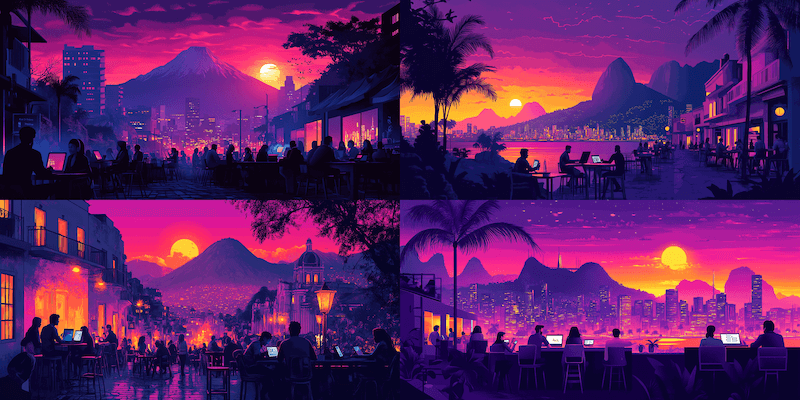
Unlike traditional office workers, digital nomads can choose their work environment—a café, coworking space, or even a serene beach—as long as there’s internet connectivity.
Many digital nomads work as freelancers or remote employees in marketing, design, writing, health, finance, software development, and customer service.
According to recent statistics, the tech sector remains a prominent area for digital nomads, with a substantial number originating from the US. The growth of digital nomad visas in various countries has further facilitated this lifestyle, allowing remote workers to live abroad legally while working online.
For those seeking a blend of independence and adventure, the digital nomad lifestyle offers a unique balance between professional responsibilities and the freedom to travel and experience new destinations.
A Brief History of Digital Nomads
While it seems like a recent trend, the concept of digital nomads dates back to the 1990s.
In 1997, Tsugio Makimoto and David Manners published their influential book Digital Nomad, predicting that technological advances would soon allow people to work from anywhere in the world, freeing them from needing to be tied to a specific physical location.
However, the digital nomad lifestyle only took off in the 2000s, with the spread of high-speed internet, the rise of mobile devices, and the growth of remote work platforms.
The 2008 financial crisis encouraged freelance and remote work as viable career options. Finally, the concept saw widespread adoption after the COVID-19 pandemic, when remote work became the norm for many industries worldwide.
Today, the rise of digital nomads has become a focal point for researchers, sparking deep inquiries into whether this is a passing trend, a niche concept, or a groundbreaking lifestyle choice revolutionizing our approach to living and working.
What Are the Main Digital Nomad Jobs?
Digital nomad careers span a diverse array of fields and opportunities. Whether in administrative or medical positions, you can find work that allows you to operate from anywhere you desire.
If you haven’t already, you can explore several roles and critical skills in the industry that you can develop and train for.
For beginners, some of the most popular digital nomad jobs include:
- Freelance writing: Writing for blogs, publications, or businesses offers flexibility and requires minimal startup costs. Platforms like Upwork and Fiverr make it easy to find clients.
- Customer service representative: Many companies now outsource customer support to remote workers, making this a common entry-level job for digital nomads.
- Receptionist/Administrative assistant: This role involves handling communications, managing calendars, and performing general administrative duties remotely, providing a good starting point for those seeking flexibility.
- Sales: Remote sales roles, including account management and business development, allow you to connect with clients and close deals from anywhere, making it a lucrative option for digital nomads.
For those with more experience or specialized skills, digital nomad jobs can extend to roles like:
- Software development: This field, including app and web development, is highly in demand and offers excellent remote opportunities with competitive pay.
- Digital marketing: SEO specialists, content strategists, and social media managers can help companies build their online presence while enjoying the freedom to work remotely.
- Legal assistant: Supporting law firms or legal professionals with research, document preparation, and administrative tasks is possible from anywhere, as many legal operations have shifted online.
- Medical assistant: Although traditionally in-person, some medical assistant roles, such as scheduling, billing, and patient coordination, can now be done remotely, especially for telehealth services.
- Executive assistant: This role involves providing high-level administrative support to executives, including managing communications and scheduling. It often requires excellent organizational skills and professionalism, all of which can be handled remotely.
As remote work expands, so do the opportunities across countless industries. Stay informed and seize the chance to explore new horizons.
How to Become a Digital Nomad
Transitioning to a digital nomad lifestyle involves strategic planning, especially if you leave a traditional job.
Here’s a step-by-step guide to help you embark on this journey:
- Identify your skills: Start by assessing your current skills and determining if they can be applied to remote work. High-demand skills include writing, graphic design, marketing, programming, project management, and customer service.
- Select the right job: Research remote job opportunities that align with your skills. Platforms like Virtual Latinos can connect you with potential clients and employers.
- Start freelancing: Begin by taking on part-time freelance work while still at your regular job. This approach allows you to build a client base and gain confidence in generating income before fully committing to the digital nomad lifestyle.
- Establish a stable income: Ensure you have a consistent stream of clients or projects before fully transitioning. The variability in income can be a significant challenge, so developing multiple revenue sources can provide financial stability.
- Prepare for travel: You can start traveling once your finances are stable. Ensure you have a reliable laptop, a secure internet connection, and necessary backup systems to work from anywhere.
Best Countries for Digital Nomads in LATAM
Choosing the right location is crucial for people with this lifestyle. Latin America offers fantastic options for working while traveling, thanks to its warm climate, affordable prices, rich culture, and friendly locals.
Here are some of the top countries for tech nomads in the region:
- Mexico: With its excellent internet infrastructure and a growing community of remote workers, Mexico is a top choice for digital nomads. Cities like Playa del Carmen, Mexico City, and Tulum are trendy among freelancers.
- Colombia: Colombia is a great option because it offers affordable living costs and a vibrant cultural scene. Medellín, in particular, has gained popularity due to its coworking spaces and reliable internet connectivity.
- Costa Rica: Known for its beautiful beaches and eco-tourism, Costa Rica is emerging as a preferred destination for remote workers. While the cost of living is higher, the quality of life is exceptional.
- Argentina: This country is attractive for digital nomads due to its diverse landscapes, rich culture, and affordable living costs. Buenos Aires stands out with its vibrant arts scene, numerous coworking spaces, and lively neighborhoods.
Before embarking on this lifestyle, it’s essential to research visa requirements and permits for each destination.
Additionally, staying informed about local safety, health measures, and other relevant factors will ensure a smooth and enjoyable experience.

Final Thoughts
Becoming a digital nomad can be one of the best experiences of your life. It allows you to discover new places, cultures, and people while earning money.
Just remember, being a digital nomad comes with its own set of responsibilities and requires discipline. But if you manage it well, it can evolve into an exciting and sustainable lifestyle.
With the right skills and strategic planning, you can work from anywhere. By understanding various digital nomad jobs and choosing the best destinations, you can set yourself up for a successful remote career.
Ready to start your remote worker experience? Join Virtual Latinos, where we connect Latin American professionals with premier remote job opportunities.
Explore Virtual Latinos Academy today for more resources and to connect with top clients seeking skilled virtual assistants like you!