
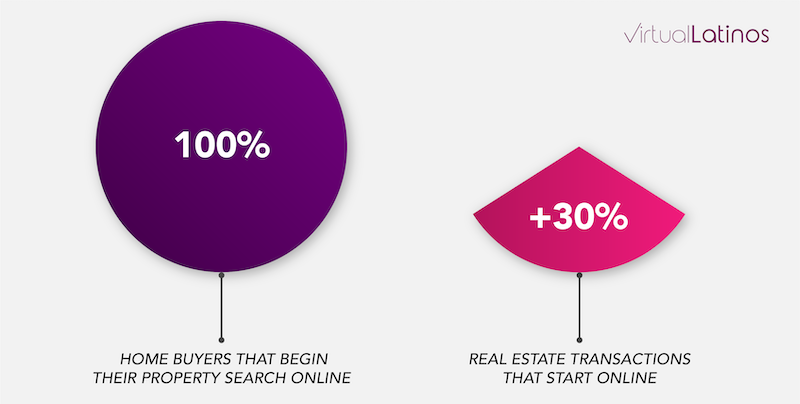
Becoming a virtual real estate agent offers limitless potential as virtual brokerages continue to redefine the industry. According to a recent report, 100% of home buyers begin their property search online, and the need for virtual agents is rapidly growing.
In fact, more than 30% of real estate transactions now start online, strengthening the importance of a solid online presence in the real estate industry. This shift has fueled the rise of virtual real estate agents, enabling professionals to work in a virtual office environment and efficiently manage transactions.
This guide will walk you through exactly how to build a successful career as a virtual real estate agent. You’ll learn the practical skills, tools, and strategies you need to work remotely with U.S.-based clients, all while enjoying the freedom and flexibility that comes with working from home.
Key Takeaways
- Digital Shift: 100% of homebuyers now begin their search online, making virtual agents essential.
- Core Responsibilities: Virtual agents handle lead generation, administrative tasks, and immersive virtual property tours.
- Key Benefits: Enjoy flexible hours, zero commute, and significantly lower overhead costs compared to traditional brokerages.
- Essential Toolkit: Success requires a robust CRM, high-quality video conferencing tools, and strong remote communication skills.
- Community Support: Joining a network like Virtual Latinos provides the mentorship and resources needed to scale a remote career.
What Does a Virtual Real Estate Agent Do?
A virtual real estate agent works entirely online, with no physical office needed. You’ll use tools like virtual tours, digital contracts, and online lead generation to support clients from anywhere.
This role leverages technology to manage every aspect of buying and selling, all without a physical location. With just a laptop and reliable internet, you can serve clients across borders and build a thriving remote career.
Here’s what a virtual real estate agent typically does:
- Lead generation & follow-up: Identifies and nurtures potential leads through social media, online advertising, and other digital platforms while following up with potential buyers.
- Administrative tasks: Manages essential administrative tasks that keep the real estate business organized, including handling contracts, scheduling appointments, and maintaining cloud storage for client databases.
- Client communication: Facilitates seamless virtual communication methods with clients, brokers, and virtual assistants by coordinating phone calls, emails, and updates.
- Virtual property tours: Conduct online property viewings via video conferencing, ensuring clients have a realistic experience without in-person visits.
- Relationship building: Strong skills are crucial for maintaining client loyalty and generating referral opportunities.
- Online marketing & social media management: Develops and implements online marketing strategies, creating engaging content to maximize visibility across multiple platforms.
- Transaction coordination: Assists in coordinating the various stages of real estate transactions, ensuring all paperwork is in order and deadlines are met for a smooth buying and selling process.
- Market research & analysis: Stays updated on trends in the real estate market to help brokers make informed decisions and offer valuable advice to clients.
With these capabilities, a virtual real estate agent plays an invaluable role in supporting brokers, managing client relations, and streamlining operations, all while facilitating the transition from a physical office to an online brokerage.
Why Choose a Career as a Virtual Real Estate Agent?
Choosing to become a virtual real estate agent means gaining real freedom, the freedom to set your own schedule, work from home, and earn in USD while building a stable, long-term career:
- Flexible working hours that fit your schedule
- No commute, saving both time and money
- Lower overhead costs thanks to a fully remote setup
- Freedom to serve clients in multiple regions without moving
Working through virtual communication methods allows you to engage with clients from different locations without the constraints of a physical office.
Should you join a brokerage or start solo?
If you’re just starting out, joining an established virtual brokerage can give you the support, training, and resources you need to succeed. You’ll have a network of experienced professionals to learn from and grow with. Because these brokerages operate with lower overhead, many pass the savings on to you through higher splits, or even 100 percent commission models, so you keep more of what you earn.
However, if you prefer independence, starting your own virtual real estate business is also an option. Consider what aligns best with your career goals and resources.
Advantages of Going Virtual in Real Estate
By eliminating the need for a physical office, virtual real estate agents save on overhead costs and can work with clients from anywhere. Working with a virtual brokerage allows agents to enjoy greater flexibility, access a broader client base, and save on overhead costs.
Additional perks you can tap into:
- Broker-of-record support that lets you legally close transactions in multiple states without holding every individual license
- Centralized compliance resources that simplify property-management regulations wherever your clients invest
Whether you join a brokerage or work independently, the virtual real estate model gives you incredible freedom and real opportunities to grow your career on your own terms. With lower fees and greater accessibility, it’s a strategic move that attracts many agents looking for flexibility.
Develop Your Virtual Real Estate Skills Online
Learning the essentials of real estate, such as property valuation and brokerage online skills, prepares you for a successful virtual career. You’ll benefit from mastering real estate fundamentals, certifications, and knowledge of online platforms tailored for the real estate business.
You’ll want to build strong skills in areas like property valuation, market analysis, virtual tours, and social media marketing. These are the tools that will help you stand out and deliver real value to U.S.-based clients.
Creating compelling virtual tours
Conducting virtual tours is essential for real estate agents. Use platforms like Matterport or video conferencing tools to give clients a realistic, immersive tour experience. Prepare a script for each tour, highlighting property features and answering common client questions. The more you practice, the more confident and polished you’ll become, and that professionalism will show in every client interaction.
Technical essentials for smooth virtual showings
Invest in a good-quality camera and microphone to ensure clear video and audio. Your goal is to make clients feel like they’re actually walking through the property, and with the right equipment and preparation, you can deliver that experience every time. Set up a system to organize and share recorded online tours for clients to revisit at their convenience.
Building strong communication skills remotely
Communication is key in real estate, and as a virtual agent, you must be comfortable communicating through various channels. Use video calls, emails, and messaging apps to stay connected with clients and colleagues. Prompt responses and proactive updates are crucial to keeping clients engaged and informed.
Remote relationship-building techniques
Networking is also essential in real estate. Join online real estate communities and forums to expand your professional network and stay updated on industry trends. Plan regular check-ins with clients and colleagues to build trust and relationships, even in a remote setting.
Managing virtual tools for real estate professionals
To succeed as virtual real estate brokers, you’ll need a strong set of digital tools. CRM software, transaction management systems, and virtual assistants can help you manage your business efficiently.
Integrating technology into your workflow
As you adopt new tools, build a system to regularly update and maintain your digital resources. Keep learning and growing, join online communities, take courses, and stay curious about new tools and trends. The more you invest in your skills, the more valuable you become to clients and the stronger your career foundation.

Overcoming the challenges of virtual real estate work
Adapting to a virtual role in the real estate industry brings its own challenges, from learning new tech tools to balancing work from your virtual office. Here’s how to stay updated:
Staying current with technology
In a tech-driven field like virtual real estate, staying current with new tools and platforms is essential to your success. Dedicate time to training on CRM systems, virtual tour platforms, and lead management tools. Many real estate associations offer courses and webinars to help real estate agents stay up-to-date.
Maintaining work-life balance and client relationships
One challenge of remote work is maintaining boundaries between your professional and personal life, especially when your home is also your office. Set clear boundaries by defining your work hours, and prioritize a healthy work-life balance. Regular communication with clients, prompt responses, and follow-ups can strengthen relationships and build client loyalty even from a distance.
Building client trust remotely
Building trust with clients remotely comes down to three things: showing up consistently, communicating openly, and always following through on your commitments. Keep clients informed with frequent updates and check-ins, showing them that you are dedicated to meeting their needs.
Building your virtual workspace
Setting up a professional virtual office
Your workspace as a virtual real estate agent should be efficient and conducive to productivity. Invest in essential tools like CRM software to manage client relationships, video conferencing platforms for virtual showings, and document management systems for easy access to digital contracts and property information. Wherever possible, consolidate these resources into a single cloud back-office platform so everything you need sits at your fingertips, no brick-and-mortar required.
Essential equipment for virtual operations
Ensure that your home office has reliable, high-quality equipment, including a powerful computer, high-speed internet, and a printer/scanner combo. Organization is key: set up cloud storage for secure document management and implement a regular backup system for data protection.
Pros and Cons of Entering Virtual Real Estate
Virtual real estate offers numerous advantages, but it is essential to consider both the pros and cons before embarking on this career path.
| Pros of Virtual Real Estate | Cons of Virtual Real Estate |
| Greater geographical scope and market reach. | Learning curve for new digital tools and tech. |
| Significant cost savings on office and overhead. | Challenges in maintaining work-life balance. |
| Increased flexibility and work-life balance. | Limited face-to-face client interactions. |
| Access to a broader talent and client pool. | Heavy dependence on reliable internet connectivity. |
Like any career path, virtual real estate has its pros and cons, and it’s important to understand both before you dive in.
Frequently Asked Questions
Is it possible to be a virtual real estate agent?
Yes. A virtual real estate agent does the same licensed work as any agent, helping clients buy, sell, or lease property, but you handle everything online. With reliable Wi-Fi, video calls, and e-signature tools, you can run your business from almost anywhere.
Do I need a real estate license to work as a virtual agent?
You need the same state real estate license that traditional agents hold. After completing the required education hours and passing your state exam, you can place your license with a virtual brokerage instead of a brick-and-mortar firm.
Start Your Journey as a Virtual Real Estate Agent
Joining the Virtual Latinos community is more than just finding a job; it’s about building a rewarding, flexible career in the thriving online real estate brokerage market. Being part of an online networking community improves your career by giving you access to resources, insights, and connections that can make all the difference.
Our community gives you what many remote professionals miss most: connection, support, and mentorship from people who understand your journey. You’re not just joining a platform, you’re becoming part of a network that celebrates your growth and has your back.
By becoming a virtual real estate agent, you open the door to stable, well-paid remote work with U.S.-based clients, the kind of opportunity that offers real financial freedom and long-term career growth. At Virtual Latinos, we’re here to guide you through this journey, offering the support you need to grow and succeed. Take the first step towards a flexible and fulfilling career, join the Virtual Latinos community, and apply for exclusive virtual real estate roles today!